Construction and properties
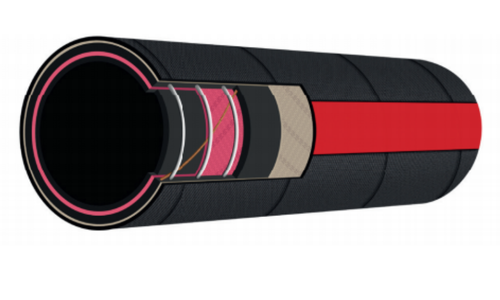
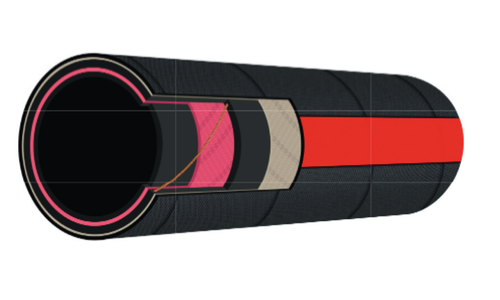
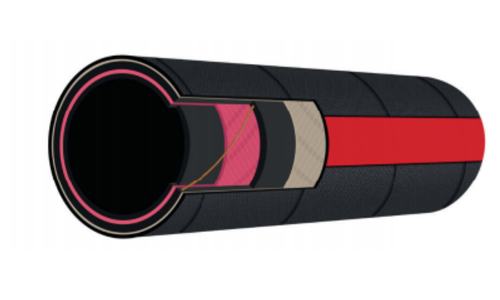
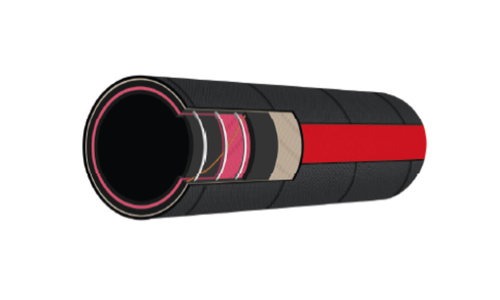
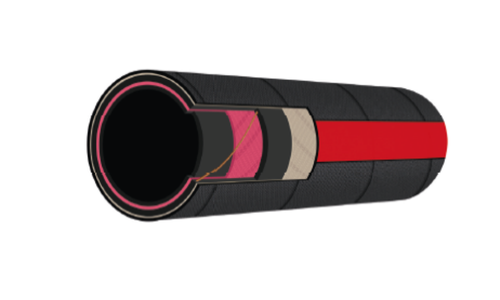
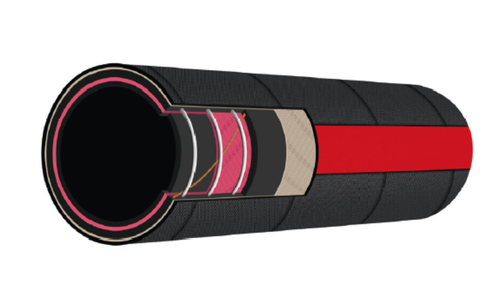
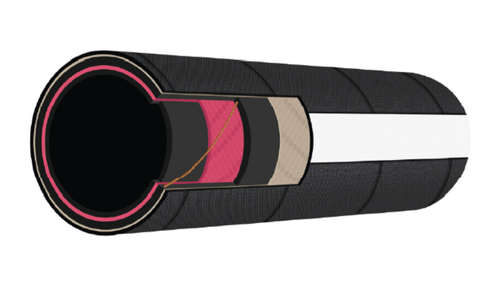
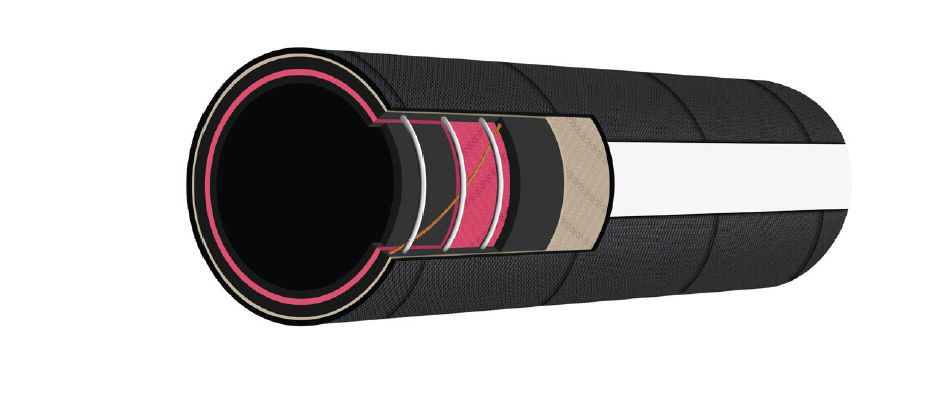
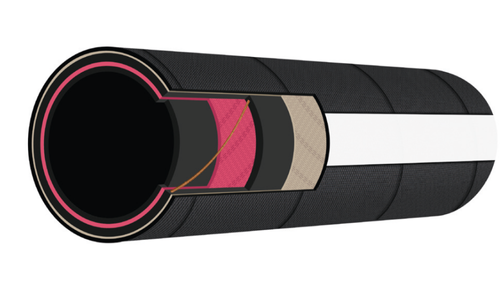
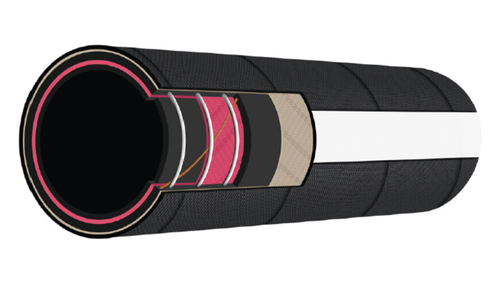
Rubber hoses designed for petroleum products typically feature a multi-layer structure. The inner layer is made of rubber resistant to gasoline, diesel, oils, and vapors. This layer prevents fluids from penetrating the hose walls, ensuring that the hose does not expand, crack, or weaken even after prolonged use. An intermediate textile or metal reinforcement layer provides additional strength and allows safe operation under higher pressure. The outer layer protects against UV radiation, atmospheric exposure, abrasion, and mechanical damage.
Such hoses are characterized by durability, reliability, and stable technical performance, making them well suited for continuous and intensive operating conditions.
Where are rubber hoses for petroleum products used?
These hoses are widely used in industrial, agricultural, and commercial applications. The most common uses include:
Fuel transfer from tanks to machinery or fuel dispensers
Diesel, gasoline, and oil supply systems
Lubricant change equipment and service stations
Oil industry installations
Fuel systems in agricultural machinery
Power supply for industrial engines and generators
Fuel delivery hoses in construction, logistics, and transport companies
A properly selected hose ensures safe operation and helps prevent leaks that could cause financial losses or environmental hazards.
Why choose high-quality rubber hoses?
High-quality rubber hoses provide greater resistance to aggressive fluids, high pressure, and frequent temperature fluctuations. They wear less, crack less often, and maintain their structural integrity over a long period of time. This not only reduces equipment downtime but also increases overall system safety. The higher the hose quality, the lower the risk of fuel or oil leaking into the environment.
In addition, certified rubber hoses comply with international standards and are tested according to various safety requirements, giving confidence to both operators and equipment owners.
Summary
Rubber hoses for petroleum products are an integral part of any fuel supply, transfer, or servicing system. They are designed to operate under demanding conditions, ensuring reliability, durability, and safety. By choosing the right hose, it is possible to significantly reduce the risk of failures, improve work efficiency, and ensure smooth operation of processes.